
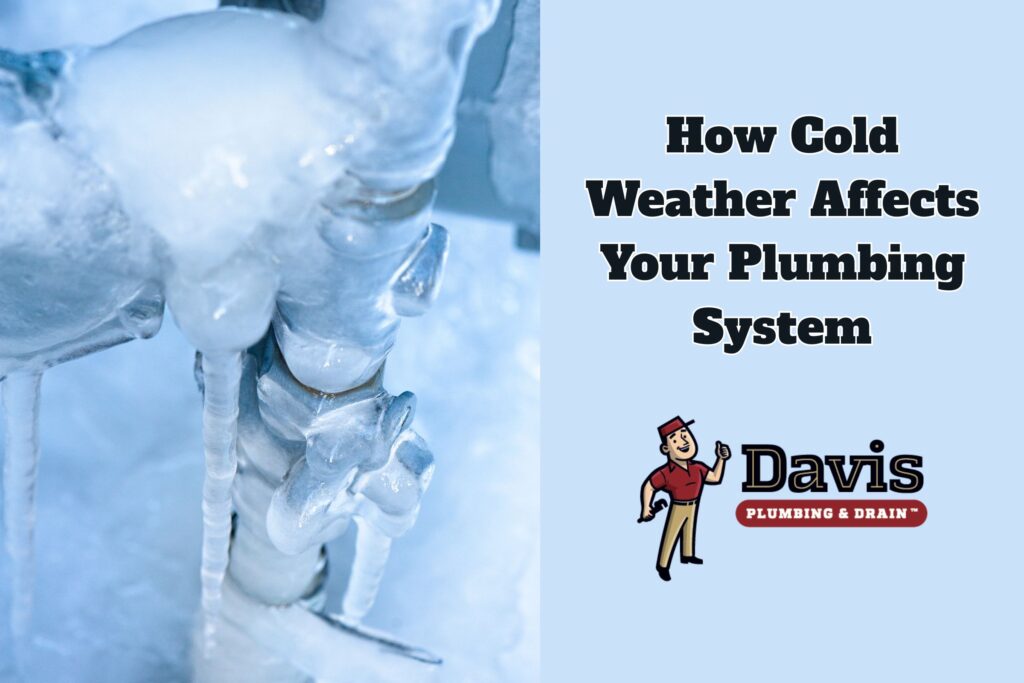
Cold temperatures can be tough on your home in general, but they’re especially hard on your plumbing system. From frozen pipes to hidden leaks, cold-weather plumbing problems often start quietly and escalate quickly if they’re ignored. Understanding how winter impacts your plumbing can help you prevent damage, avoid emergencies, and protect your home.
Below, we’ll walk through the most common winter plumbing problems, how to spot them early, and what to do if cold weather takes a toll on your pipes.
How Cold Weather Impacts Your Plumbing
When temperatures drop, the water inside your pipes becomes more vulnerable to freezing. As water freezes, it expands, placing pressure on pipe walls and joints. Over time—or sometimes very suddenly—this pressure can cause cracks, leaks, or complete pipe bursts.
Cold-weather plumbing problems don’t just affect outdoor pipes. Plumbing inside exterior walls, basements, crawl spaces, garages, and even kitchens can be impacted during extended cold snaps. Without proper insulation or consistent heat, winter plumbing problems can show up even in newer homes.
Why Frozen Pipes Are One of the Biggest Winter Plumbing Risks
Frozen pipes are among the most damaging and expensive winter plumbing issues homeowners face. When water freezes inside a pipe, the water expands, and pressure builds until the pipe cracks or bursts. Often, this happens without immediate warning.
Pipes most at risk include places most exposed to cold air, such as:
- Pipes along exterior walls
- Plumbing in unheated basements or crawl spaces
- Water lines in garages or utility rooms
- Outdoor spigots and hose connections
If freezing leads to a burst, professional frozen pipe repair is critical to prevent ongoing water damage and structural issues.
Signs Your Pipes Are Frozen
Catching frozen pipes early can make a big difference. Some of the most common signs your pipes are frozen include:
- Little or no water coming from faucets
- Frost or condensation on exposed pipes
- Gurgling or banging noises when water is turned on
- Unpleasant odors coming from drains
- Sudden drops in water pressure
Once pipes begin to thaw, small cracks can turn into active leaks. This is where professional leak detection can help locate hidden damage before it worsens.
How To Prevent Frozen Pipes in Winter
Knowing how to prevent your pipes from freezing is one of the best ways to avoid emergency repairs. A few proactive steps can go a long way during cold weather.
Effective prevention strategies include:
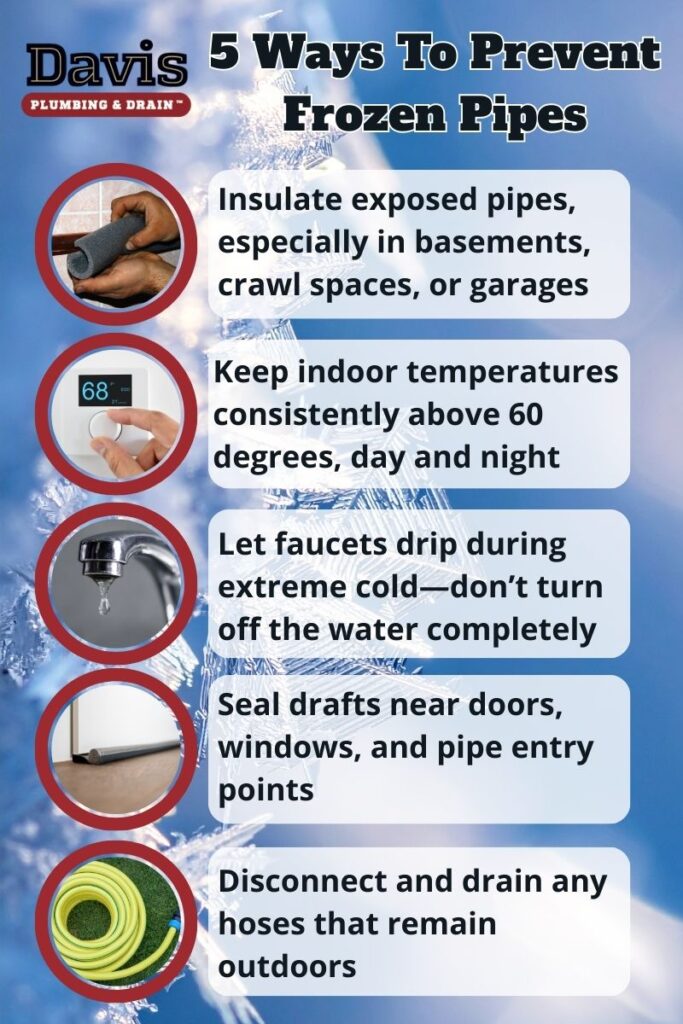
- Insulating exposed pipes in basements, crawl spaces, and garages
- Keeping indoor temperatures consistent at 60 degrees or higher, even overnight
- Letting faucets drip slightly during extreme cold
- Sealing drafts near windows, doors, and pipe entry points
- Disconnecting and draining outdoor hoses
- For homes with aging or frequently freezing water lines, long-term solutions like water line repiping can provide better reliability and peace of mind during winter.
For homes with aging or frequently freezing water lines, long-term solutions like water line repiping can provide better reliability and peace of mind during winter.
How to Thaw Frozen Pipes Safely
If you suspect a pipe has frozen, acting carefully is key. Knowing how to thaw frozen pipes safely can help prevent bursts and injuries.
Safe thawing methods include:
- Using a hair dryer or warm air (starting near the faucet and working inward)
- Wrapping pipes with warm towels
- Opening faucets to relieve pressure as ice melts
Avoid open flames, propane torches, or space heaters placed too close to pipes. If you’re unsure where the pipe is frozen, or if water doesn’t return after thawing, it’s best to call a licensed plumber for frozen pipes to avoid further damage.
Can an AC Unit Pipe Freeze in Winter?
It may be surprising, but an AC unit pipe being frozen in winter is more common than homeowners realize. Condensate drain lines or exposed AC-related plumbing can freeze during cold snaps, especially during fluctuating temperatures.
When these pipes thaw, they can leak and cause water damage inside the home. Addressing frozen AC-related plumbing early helps prevent mold growth and hidden leaks once warmer weather returns.
When To Call a Plumber for Frozen Pipes
Some winter plumbing problems require professional help right away. You should contact a plumber if:
- A pipe has burst or is actively leaking
- Pipes remain frozen after attempted thawing
- Water pressure doesn’t return to normal
- You notice water stains, pooling, or damp walls
- Frozen pipes keep recurring each winter
Quick professional service can limit damage and help prevent future cold-weather plumbing problems.
Trust Davis Plumbing for Winter Plumbing Repairs and Prevention
When winter plumbing problems strike, having a trusted local plumber makes all the difference. Davis Plumbing can help protect your home from frozen pipes, leaks, and cold weather damage. Our experienced team provides reliable solutions for homeowners throughout Burlington and Camden counties, including Cherry Hill, Mount Laurel, Moorestown, and other nearby areas.
Whether you need frozen pipe repair, leak detection, or proactive upgrades like water line repiping, Davis Plumbing is here to keep your plumbing system running safely all winter long. Contact us today to schedule service.
Frequently Asked Questions About Winter Plumbing Problems
At what temperature do pipes usually freeze?
Pipes can begin to freeze when temperatures drop below 32°F, especially if they’re exposed or poorly insulated.
Can frozen pipes burst after they thaw?
Yes, it’s possible for a pipe to burst even after thawing. Many pipes burst during thawing when pressure builds behind ice blockages, which is why leaks often appear later.
How long does it take for pipes to freeze?
Pipes can freeze in as little as six hours during extreme cold, depending on exposure and insulation.
Is it safe to leave faucets dripping overnight?
Yes. Allowing faucets to drip slightly can help keep water moving and reduce the risk of freezing.
Should I shut off my water if pipes freeze?
If you suspect a pipe is frozen and may burst, turning off the water supply can help limit damage until a plumber arrives.