A dry drain trap can cause unpleasant odors and make you think there is a serious sewer problem in your home. In many cases, the issue is much simpler. Drain traps are designed to hold a small amount of water that blocks sewer gases from rising back up through your plumbing. When that water evaporates, the trap loses its seal, and a sewer smell from the drain openings can start to spread through the space.
Knowing how to keep drain traps from drying out can help you prevent odors, protect indoor air quality, and avoid unnecessary plumbing problems. Below, we’ll explain what causes a dry P-trap, how to spot the warning signs, how to fix a dry drain trap, and when it may be time to call a plumber.
Why It Is Important To Keep Drain Traps From Drying Out
Every drain trap in your plumbing system serves an important purpose. It holds water in a curved section of pipe, creating a barrier between your home and the sewer gases inside the drain line. When that barrier disappears, odors can move back up through the drain and into your bathroom, basement, laundry room, or utility area.
That is why drain trap drying out is more than just a minor inconvenience. A dry trap can make a room smell unpleasant and may lead homeowners to think there is a larger sewer issue. In some cases, a floor drain smells like sewer simply because the trap has gone dry after sitting unused for too long.
Keeping traps full is a simple but important part of plumbing maintenance, especially in homes with basements, guest bathrooms, utility rooms, or other drains that do not get used often.
What Is a Dry Drain Trap?
A dry drain trap happens when the water sitting inside the trap evaporates or is otherwise lost. This can happen in any drain, not just under a sink. Floor drains, basement drains, utility drains, shower drains, and even guest bathroom fixtures can all develop problems when the trap loses its water seal.
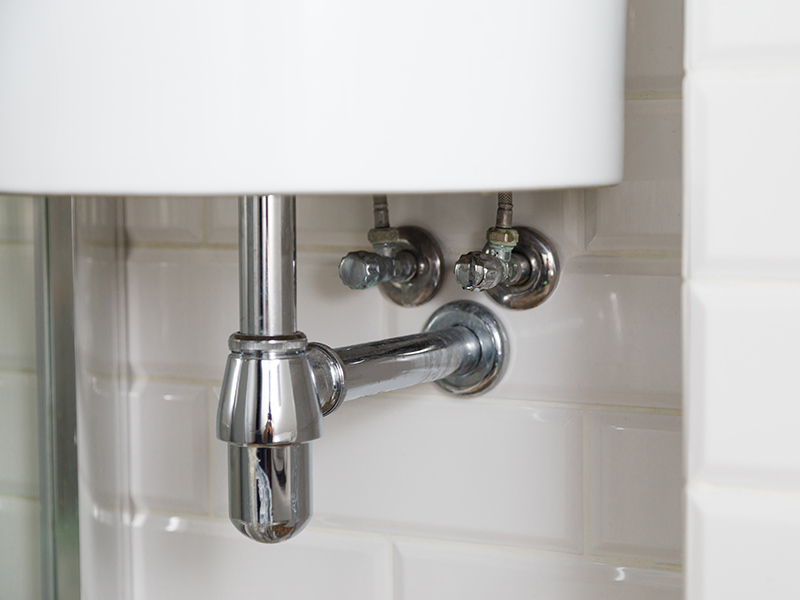
Many homeowners are familiar with the term dry P-trap, which usually refers to the curved pipe beneath a sink. When that water seal disappears, sewer odors have a direct path back into the home.
If you have ever wondered why a basement drain or guest bathroom drain suddenly smells bad, there is a good chance the problem is a drain trap drying out rather than a clog.
Signs Your Drain Trap May Be Drying Out
It is not always obvious that a trap is losing water until the smell becomes hard to ignore. Some of the most common warning signs include:
- A sewer smell from drain openings: This is often the first sign that the water seal is gone.
- A floor drain smells like sewer after sitting unused: Basement and utility drains are especially prone to this problem.
- Odors get worse in little-used spaces: Guest bathrooms, storage rooms, and seasonal properties are common trouble spots.
- There is no obvious clog, but the smell keeps coming back: If the drain is not slow, the problem may be a dry trap instead of a blockage.
These signs are worth paying attention to, especially if they happen in parts of the home that are easy to forget about during everyday cleaning and maintenance.
Common Causes of Dry Drain Traps
Several different conditions can cause a drain trap to lose water over time. Understanding the cause can make it easier to prevent the same problem from happening again.
Infrequent drain use
This is one of the most common reasons for a dry drain trap. If a drain goes unused for weeks or months, the water in the trap can evaporate and leave the pipe open to sewer gases.
Heat and low humidity
Warm, dry indoor conditions can speed up evaporation. This is especially common in mechanical rooms, utility spaces, and basements that are not climate-controlled.
Air movement and pressure changes
Changes in air pressure within the plumbing system can affect how well a trap holds water. In some cases, air movement may contribute to the water seal being reduced over time.
Improper plumbing configuration
Older plumbing systems or incorrect drain setups can also create problems. For example, certain trap designs may not hold water as reliably as they should, which can increase the chance of odors returning.
How To Fix a Dry Drain Trap
If you suspect a drain trap has dried out, the good news is that the fix is often straightforward. Knowing how to fix a dry drain trap can help you resolve the odor quickly and determine whether a larger problem may be present.
Run water into the drain.
The simplest fix is to slowly pour water into the drain to refill the trap. This restores the water barrier and often stops the smell right away.
Check whether the smell returns.
If the odor disappears and stays gone, the issue was likely a dry trap. If the smell returns quickly, there may be another plumbing problem involved.
Keep an eye on rarely used drains.
If the same drain keeps drying out, it may need more regular attention. Basements, laundry rooms, and guest baths are all common places where this happens.
Consider a long-term solution.
If the drain trap drying out becomes a recurring issue, a plumbing professional may recommend a more permanent approach. Depending on the setup, solutions may include maintenance changes, repairs, or automatic trap primers.
How To Keep Drain Traps From Drying Out
If you want to know how to keep drain traps from drying out, routine attention is the best solution. A few simple habits can go a long way toward preventing recurring odors and keeping your plumbing system in better shape.
- Run water into unused drains regularly: This helps maintain the water seal in floor drains, sinks, showers, and utility drains.
- Check little-used spaces on a schedule: Basements, guest bathrooms, and laundry rooms are easy to overlook.
- Watch for recurring odors: If a sewer smell from a drain keeps coming back, there may be more going on than simple evaporation.
- Have persistent issues inspected: Ongoing odor problems can point to deeper drain or sewer concerns.
This kind of preventive care is especially helpful for homeowners in Burlington County, including Marlton, Willingboro, and Medford, where older homes and lesser-used basement drains can sometimes contribute to recurring plumbing odors.
When a Sewer Smell May Point to a Bigger Problem
Sometimes, a sewer smell from drain openings is not just a dry trap. If odors keep returning, affect multiple drains, or happen along with drainage problems, it may point to a larger issue in the system.
Warning signs of a deeper problem include:
- More than one drain smells bad
- Drains are slow as well as smelly
- Gurgling sounds come from sinks or floor drains
- Odors return quickly, even after adding water
In those situations, professional drain cleaners may be needed to clear buildup inside the pipes. If the issue appears to go beyond an isolated drain, sewer line maintenance, or a sewer inspection may be the best next step to identify the underlying cause.
When To Call a Professional Plumber
Some dry trap problems are easy to manage on your own, but others require a professional evaluation. It is time to call a plumber if:
- The smell returns soon after you add water
- Multiple drains are affected
- You notice slow drainage or backups
- The issue keeps coming back in the same location
- You want help finding a permanent solution
A plumber can determine whether the problem is simply a dry P-trap or part of a larger drain or sewer issue.
Trust Davis Plumbing for Help With Dry Drain Traps and Drain Odors
If you are dealing with a dry drain trap, a floor drain that smells like sewer, or recurring drain odors in your home, Davis Plumbing can help. Our team can identify the source of the smell, explain whether the issue is simple evaporation or a larger plumbing concern, and recommend the right solution for your system.
Frequently Asked Questions About Dry Drain Traps
What causes a dry drain trap?
A dry drain trap is usually caused by evaporation, infrequent drain use, warm indoor conditions, or plumbing configurations that make it harder for the trap to hold water.
How do you fix a dry drain trap?
The simplest way to fix a dry drain trap is to pour water into the drain to refill the trap. If the smell returns quickly, a plumber should inspect the drain for a deeper issue.
Can a dry P-trap cause a sewer smell from a drain?
Yes, a dry P-trap can cause a sewer smell from drain openings because the water barrier that normally blocks odors is no longer there.
Why does my floor drain smell like sewer?
If your floor drain smells like sewer, the trap may have dried out from lack of use. However, recurring odors can also point to drain buildup or a sewer line problem.
How often should I check drains that are not used often?
Unused drains should be checked regularly, especially in basements, guest bathrooms, and laundry rooms. Adding water on a routine schedule can help keep the trap from drying out.